Buy duemmersee.eu ?
We are moving the project
duemmersee.eu .
Are you interested in purchasing the domain
duemmersee.eu ?
domain@kv-gmbh.de · 0541-91531010
Buy duemmersee.eu ?
How to create a Punnett square?
To create a Punnett square, you first need to determine the genotypes of the parents for a specific trait. Then, list the possible alleles for each parent along the top and side of the square. Fill in the square by combining the alleles from each parent to determine the possible genotypes of their offspring. Finally, calculate the probability of each genotype occurring by counting the number of squares with that genotype and dividing by the total number of squares in the Punnett square. **
How would you draw the Punnett square?
To draw a Punnett square, first create a grid with two rows and two columns. Label the rows and columns with the alleles from each parent. Then, fill in the squares by combining the alleles from each parent to show the possible genotypes of their offspring. Finally, calculate the probabilities of each genotype by counting the number of squares with that genotype and dividing by the total number of squares. **
Similar search terms for Punnett
Top-Angebote
Products related to Punnett:
-
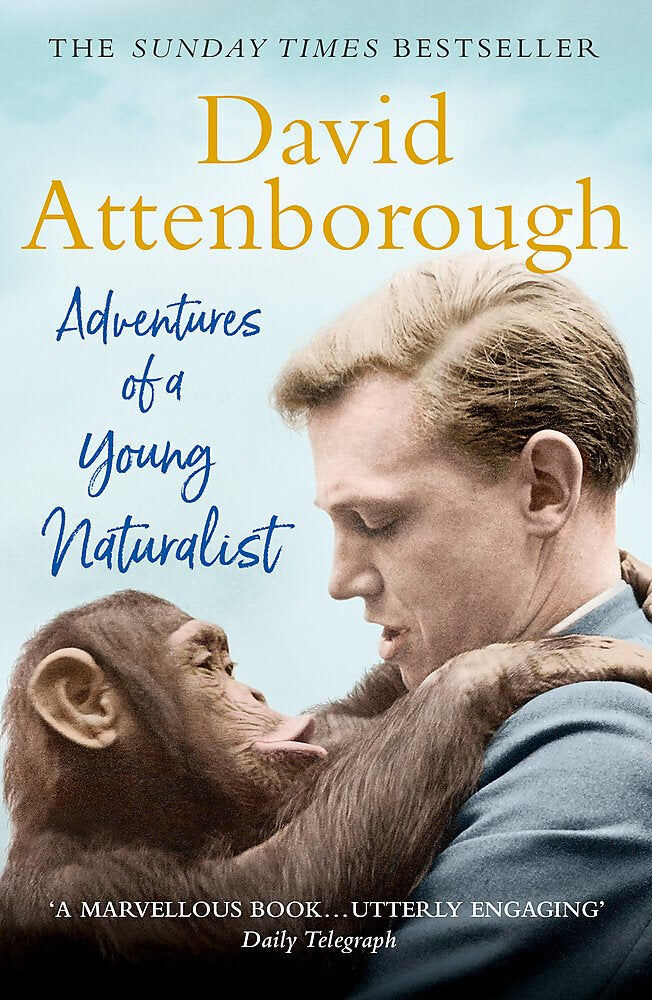
Two Roads Adventures of a Young Naturalist by Sir David Attenborough - Zoo Quest Expeditions Memoir - Paperback - Nature & WildlifeJoin young David Attenborough on his thrilling adventures as he travels the globe to capture rare and elusive animals for London Zoo. This gripping paperback memoir, 'Adventures of a Young Naturalist', gathers his early expeditions into one compelling narrative, tracing the roots of the broadcaster's extraordinary career and his lifelong devotion to the natural world. In 1954, Attenborough embarked on a journey to film his travels for a fledgling BBC series called Zoo Quest. He and his team trekked through remote landscapes in search of giant anteaters in Guyana, Komodo dragons in Indonesia, and armadillos in Paraguay. Along the way, he lived alongside local tribes, navigated unpredictable terrain and weather, and encountered an unforgettable cast of creatures. This paperback edition is a fascinating account of Attenborough's early years as a naturalist, written by one of Britain's most trusted voices on conservation.3,99 £*Shipping: 2,99 £Secure redirect to the provider
-
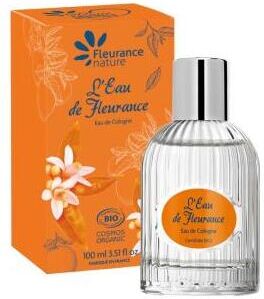
Fleurance Nature Cologne Water Spray 100 mlHealth and Beauty Colonies Fleurance Nature Cologne Water Spray 100 ml A natural and certified COSMOS ORGANIC mixed cologne. Fragrance around the Hesperides. Instructions for use: External use.\ After showering, spray on the neck and décolleté, on skin that is still damp, and let it air dry.18,76 £*Shipping: 3,99 £Secure redirect to the provider
-
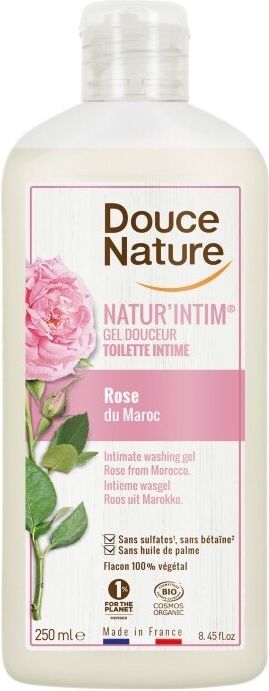
Douce Nature Intimate Rose Water Gel 250 mlHealth and Beauty Intimate hygiene Douce Nature Intimate Rose Water Gel 250 ml Intimate Hygiene Gel enriched with Moroccan rose water Suitable for all skin types. Balances the skin of the intimate area and reduces discomfort How to use: Shake well before use, apply gently to the skin and rinse with plenty of water. In case of contact with eyes, rinse thoroughly and keep out of the reach of children. don't swallow it5,56 £*Shipping: 3,99 £Secure redirect to the provider

-
What is a Punnett square in biology?
A Punnett square is a visual representation used in genetics to predict the possible outcomes of a genetic cross between two individuals. It is named after Reginald Punnett, who developed the concept in the early 20th century. The square is divided into boxes that show all the possible combinations of alleles that offspring can inherit from their parents. By using Punnett squares, scientists can determine the probability of certain traits being passed down from one generation to the next. **
-
How can one create the Punnett square?
To create a Punnett square, first identify the genotypes of the parents for a specific trait. Then, list the possible gametes that each parent can produce. Next, create a grid with the possible gametes of one parent listed on the top and the possible gametes of the other parent listed on the side. Finally, fill in the squares with the combinations of gametes to determine the possible genotypes of the offspring. This will help visualize the potential genetic outcomes of a cross between two individuals. **
-
Can someone help me with the Punnett square?
Yes, I can help you with the Punnett square. Please provide me with the specific details of the genetic cross you are working on, including the alleles for each parent. I can then guide you through how to set up and interpret the Punnett square to determine the possible genetic outcomes of the cross. Let me know how I can assist you further. **
-
What is the Punnett square in Mendel's biology?
The Punnett square is a diagram used in genetics to predict the possible outcomes of a genetic cross between two individuals. It was developed by the scientist Reginald Punnett, and it is based on the principles of Mendelian genetics. The Punnett square allows us to visualize the different combinations of alleles that can result from the combination of parental genes, and it is a useful tool for understanding and predicting the inheritance of specific traits in offspring. **
What is the purpose of the Punnett square?
The purpose of the Punnett square is to predict the possible genetic outcomes of a cross between two individuals. It is a visual tool that helps to illustrate the potential combinations of alleles that can result from the mating of two organisms. By using the Punnett square, geneticists can determine the probability of specific traits or genetic disorders being passed on to offspring. This tool is particularly useful in understanding and predicting inheritance patterns in genetics. **
What is a Punnett square for the Rhesus factor?
A Punnett square for the Rhesus factor is a tool used to predict the possible genotypes and phenotypes of offspring based on the Rhesus factor (Rh) alleles inherited from their parents. The Rhesus factor is a protein found on the surface of red blood cells, and individuals can be either Rh positive (Rh+) or Rh negative (Rh-). The Punnett square helps to show the different combinations of Rh alleles that offspring can inherit from their parents, and the likelihood of each possible outcome. This can be useful in understanding the inheritance patterns of the Rhesus factor and predicting the likelihood of a child having a certain blood type. **
Top-Angebote
Products related to Punnett:
-
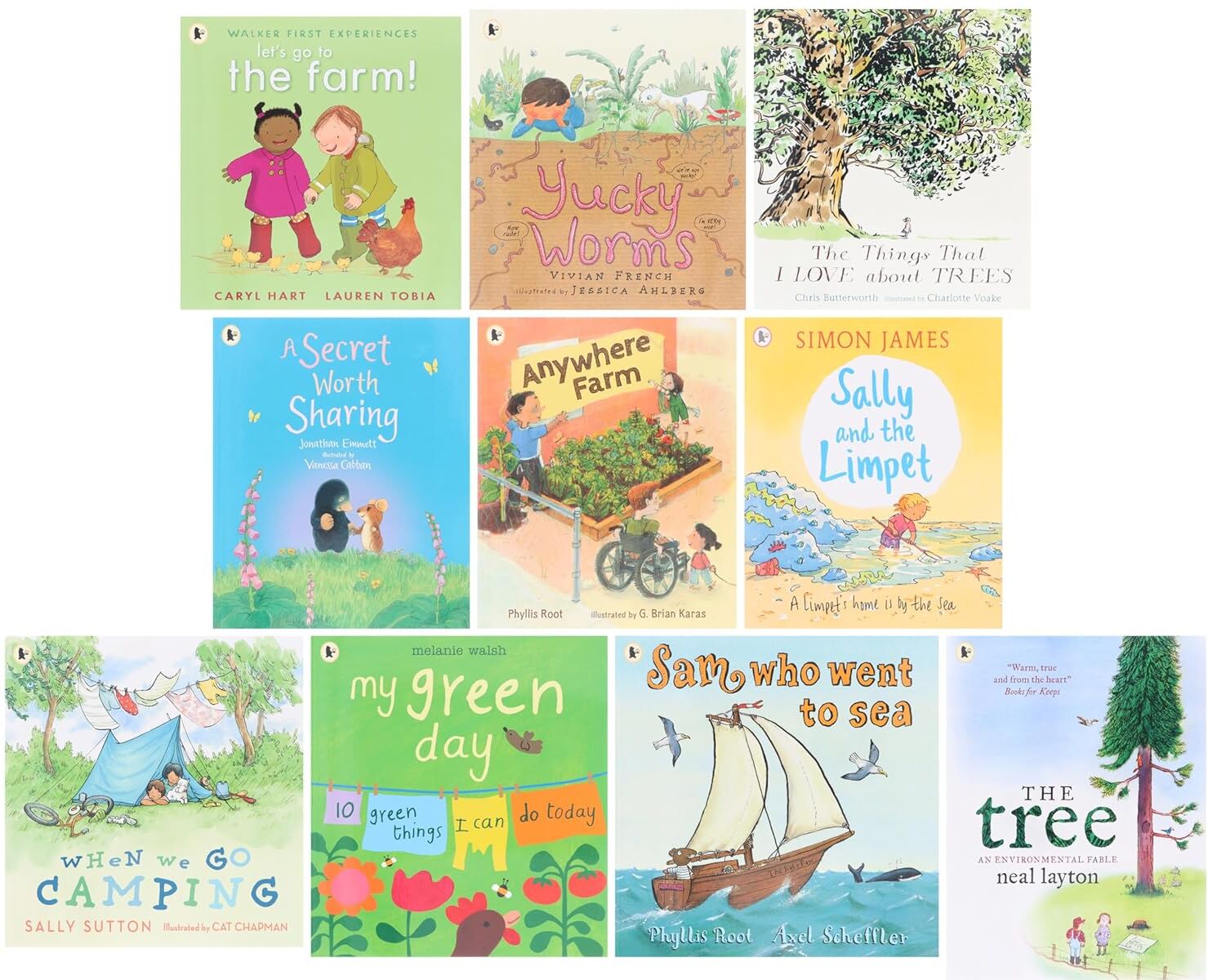
Walker Books UK Ltd The Great Outdoors 10 Picture Books Collection Set Nature, Trees, Wildlife, Farm, Camping & Adventure Stories for ChildrenThe Great Outdoors: 10 Wild and Wonderful Picture Books Collection Set Ignite a love of nature and outdoor adventure with The Great Outdoors – 10 Wild and Wonderful Picture Books Collection Set.This beautifully illustrated bundle introduces children to the magic of trees, farms, forests, wildlife, camping, seashores, and the joy of exploring the world around them. Packed with heartwarming stories, gentle messages, and rich nature themes, these books encourage imagination, curiosity, and a lifelong appreciation for the outdoors.Perfect for bedtime reading, early learning, classroom storytime, or little explorers who love adventure. Ideal for ages 3–7, preschoolers, nursery settings, and early readers. Titles in this Set: 1. The Things That I Love About Trees 2. The Tree 3. Sally and the Limpet 4. Anywhere Farm 5. When We Go Camping 6. A Secret Worth Sharing 7. Lets Go To The Farm! 8. Yucky Worms 9. My Green Day 10. Sam Who Went to Sea The Things That I Love About Trees A very young non-fiction picture book that looks at how a tree changes with the seasons, with charming illustrations by Charlotte Voake.Learn how a plum tree changes with the seasons in this charming... The Tree A delightful picture book with a wonderful twist which encourages young children to think about the way animals and humans live side by side.The tree. Home to a family of birds in their nest, squirrels... Sally and the Limpet When Sally pulls a limpet off a rock at the beach, it sticks to her finger – and nothing she, her family or her friends do can unstick it. Sally's teacher says that limpets live on the same rock for twenty years. So will Sally ever get the limpet off her finger? Anywhere Farm For an anywhere farm, here's all that you need: soil and sunshine, some water, a seed. When We Go Camping When we go camping, we bang in the pegs, Bang in the pegs, bang in the pegs. Guy ropes are tricky; they trip up your legs! A Secret Worth Sharing Mole's new friend, Mouse, is so special, he doesn't want to share her with anyone and decides to keep her secret. but some secrets are worth sharing. Lets Go To The Farm Let's go to the farm with Billy and Bee! There's SO much to do, and SO much to see! Baby lambs and guinea pigs, and chickens on the run, Let's get your wellies on and join in all the fun! Yucky Worms You can't be FREINDS with an earthworm... You can't even tell WHICH end is which! Or CAN you My Green Day Here are ten things we can all do to make every day a green day. Sam Who Went to Sea Sam, the river rat, dreams of going to sea. Day and night, whatever he is doing, his thoughts turn seawards.12,90 £*Shipping: 2,99 £Secure redirect to the provider
-
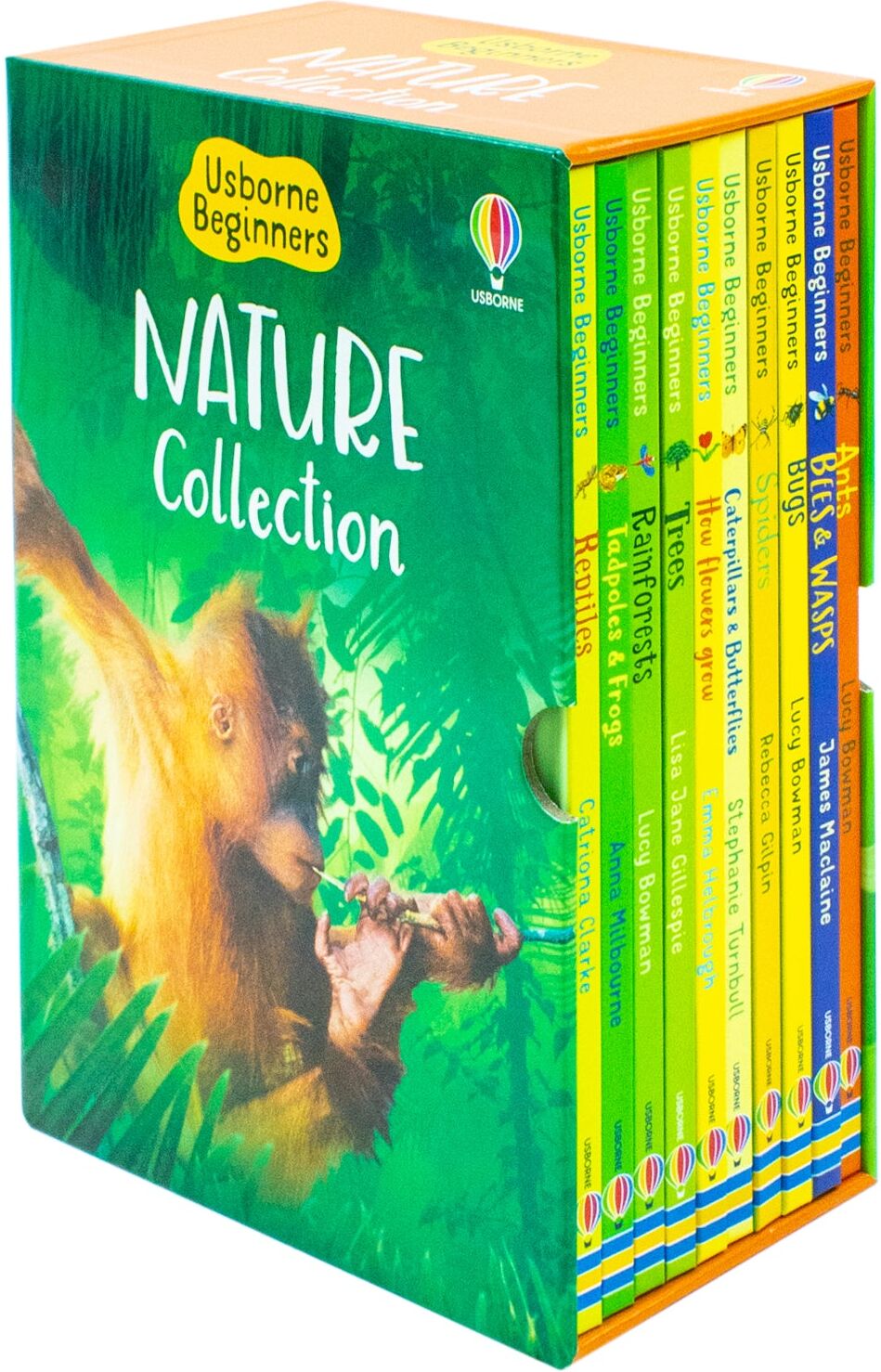
Usborne Publishing Usborne Beginners Nature Series – 10 Book Collection Set Children’s Wildlife & Nature Books (Ants, Bugs, Spiders, Trees, Rainforests) KS1 KS2Usborne Beginners Nature 10 Books Box Set Reptiles This is a fantastic brand new addition to the 'Beginners' series, designed to provide an informative introduction to trees and plant-life for young readers. Tadpoles and Frogs Vivid, full colour illustrations and photographs on every page, accompanied by short, informative text. Rainforest It offers a terrific reading practice for children who prefer fact to fiction. It is developed with a reading expert from Roehampton University to help young readers grow in confidence. Trees This is a fantastic brand new addition to the 'Beginners' series; designed to provide an informative introduction to trees and plant-life for young readers. How Flowers Grow How do flowers grow in dry deserts? How do animals help to spread seeds? Which flower smells like rotting meat? Caterpillars and Butterflies Usborne Beginners are colourful information books for children beginning to read on their own. Spiders Usborne Beginners are colourful information books for children beginning to read on their own. Bugs Usborne Beginners are colourful information books for children beginning to read on their own. Bees and Wasps A slim and unintimidating book which belies its contents - a wealth of information; much of which will be new even to adults. Ants Where do ants live? What do they eat? How much weight can they carry? Little children can find out the answers to these questions and much more in this simple introduction to the world of ants. Related Tags: Usborne, Usbourne14,99 £*Shipping: 2,99 £Secure redirect to the provider
-
Two Roads Adventures of a Young Naturalist by Sir David Attenborough - Zoo Quest Expeditions Memoir - Paperback - Nature & WildlifeJoin young David Attenborough on his thrilling adventures as he travels the globe to capture rare and elusive animals for London Zoo. This gripping paperback memoir, 'Adventures of a Young Naturalist', gathers his early expeditions into one compelling narrative, tracing the roots of the broadcaster's extraordinary career and his lifelong devotion to the natural world. In 1954, Attenborough embarked on a journey to film his travels for a fledgling BBC series called Zoo Quest. He and his team trekked through remote landscapes in search of giant anteaters in Guyana, Komodo dragons in Indonesia, and armadillos in Paraguay. Along the way, he lived alongside local tribes, navigated unpredictable terrain and weather, and encountered an unforgettable cast of creatures. This paperback edition is a fascinating account of Attenborough's early years as a naturalist, written by one of Britain's most trusted voices on conservation.3,99 £*Shipping: 2,99 £Secure redirect to the provider
-
How to create a Punnett square?
To create a Punnett square, you first need to determine the genotypes of the parents for a specific trait. Then, list the possible alleles for each parent along the top and side of the square. Fill in the square by combining the alleles from each parent to determine the possible genotypes of their offspring. Finally, calculate the probability of each genotype occurring by counting the number of squares with that genotype and dividing by the total number of squares in the Punnett square. **
-
How would you draw the Punnett square?
To draw a Punnett square, first create a grid with two rows and two columns. Label the rows and columns with the alleles from each parent. Then, fill in the squares by combining the alleles from each parent to show the possible genotypes of their offspring. Finally, calculate the probabilities of each genotype by counting the number of squares with that genotype and dividing by the total number of squares. **
-
What is a Punnett square in biology?
A Punnett square is a visual representation used in genetics to predict the possible outcomes of a genetic cross between two individuals. It is named after Reginald Punnett, who developed the concept in the early 20th century. The square is divided into boxes that show all the possible combinations of alleles that offspring can inherit from their parents. By using Punnett squares, scientists can determine the probability of certain traits being passed down from one generation to the next. **
-
How can one create the Punnett square?
To create a Punnett square, first identify the genotypes of the parents for a specific trait. Then, list the possible gametes that each parent can produce. Next, create a grid with the possible gametes of one parent listed on the top and the possible gametes of the other parent listed on the side. Finally, fill in the squares with the combinations of gametes to determine the possible genotypes of the offspring. This will help visualize the potential genetic outcomes of a cross between two individuals. **
Similar search terms for Punnett
-
Fleurance Nature Cologne Water Spray 100 mlHealth and Beauty Colonies Fleurance Nature Cologne Water Spray 100 ml A natural and certified COSMOS ORGANIC mixed cologne. Fragrance around the Hesperides. Instructions for use: External use.\ After showering, spray on the neck and décolleté, on skin that is still damp, and let it air dry.18,76 £*Shipping: 3,99 £Secure redirect to the provider
-
Douce Nature Intimate Rose Water Gel 250 mlHealth and Beauty Intimate hygiene Douce Nature Intimate Rose Water Gel 250 ml Intimate Hygiene Gel enriched with Moroccan rose water Suitable for all skin types. Balances the skin of the intimate area and reduces discomfort How to use: Shake well before use, apply gently to the skin and rinse with plenty of water. In case of contact with eyes, rinse thoroughly and keep out of the reach of children. don't swallow it5,56 £*Shipping: 3,99 £Secure redirect to the provider
-
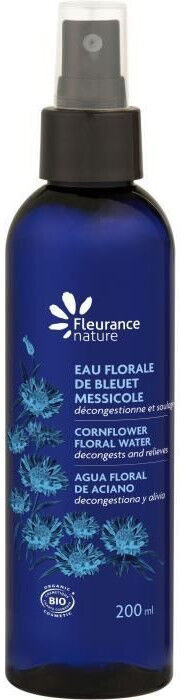
Fleurance Nature Organic Cornflower Floral Water 200 mlHealth and Beauty Facial Cleansing Fleurance Nature Organic Cornflower Floral Water 200 ml Decongests and soothes: -Cools and brightens the look -Diffuses traces of fatigue -Can be used in compresses on closed eyes Light and soft mist Suitable for removing make-up from sensitive eyes Product tested under dermatological control The cornflowers used to obtain this floral water have been carefully selected and harvested in organic farming in France. 83% of users find it refreshing to the skin. 75% of users find that it calms the skin and decongests the eyes.7,03 £*Shipping: 3,99 £Secure redirect to the provider
-
Fleurance Nature Micellar Cleansing Water Bio with CornflowerHealth and Beauty Facial Cleansing Fleurance Nature Micellar Cleansing Water Bio with Cornflower For a better respect for the skin, even the most sensitive ones! For a calm, fresh and clean skin: -Removes make-up and gently cleanses the face and eyes -With cornflower floral water and aloe vera -Indicated for all skin types, even the most sensitive Non-astringent, non-sticky, does not sting the eyes Formula without soap Tested under ophthalmological control Daily use, without rinsing Cornflower: Annual plant of the Asteraceae family. Its floral water is known to decongest and calm the sensation of swelling of the eyelids and the fragile contour of the eyes. Aloe vera: Vivid fat plant of the Alliaceae family. Provides comfort and softness to the skin while preventing the sensation of tightness often associated with removing makeup. Micellar water is a combination of water and an amphiphilic substance (from a coconut extract in our micellar water) capable of dissolving fat and, therefore, effectively removing fatty substances, powders and impurities from the skin. This amphiphilic substance dissolves in water in the form of extremely fine particles: it is these microparticles that, when combined with the perfume contained in the product, take the form of so-called "micelles". Slightly foamy, a micellar water therefore has the particularity of combining the freshness of an aqueous solution with the effectiveness of a make-up removal oil. All this in a single, simple and effective makeup removal and care guideline that does not require rinsing the face with plenty of water thanks to its very mild cleansing effect.11,82 £*Shipping: 3,99 £Secure redirect to the provider
-
Can someone help me with the Punnett square?
Yes, I can help you with the Punnett square. Please provide me with the specific details of the genetic cross you are working on, including the alleles for each parent. I can then guide you through how to set up and interpret the Punnett square to determine the possible genetic outcomes of the cross. Let me know how I can assist you further. **
-
What is the Punnett square in Mendel's biology?
The Punnett square is a diagram used in genetics to predict the possible outcomes of a genetic cross between two individuals. It was developed by the scientist Reginald Punnett, and it is based on the principles of Mendelian genetics. The Punnett square allows us to visualize the different combinations of alleles that can result from the combination of parental genes, and it is a useful tool for understanding and predicting the inheritance of specific traits in offspring. **
-
What is the purpose of the Punnett square?
The purpose of the Punnett square is to predict the possible genetic outcomes of a cross between two individuals. It is a visual tool that helps to illustrate the potential combinations of alleles that can result from the mating of two organisms. By using the Punnett square, geneticists can determine the probability of specific traits or genetic disorders being passed on to offspring. This tool is particularly useful in understanding and predicting inheritance patterns in genetics. **
-
What is a Punnett square for the Rhesus factor?
A Punnett square for the Rhesus factor is a tool used to predict the possible genotypes and phenotypes of offspring based on the Rhesus factor (Rh) alleles inherited from their parents. The Rhesus factor is a protein found on the surface of red blood cells, and individuals can be either Rh positive (Rh+) or Rh negative (Rh-). The Punnett square helps to show the different combinations of Rh alleles that offspring can inherit from their parents, and the likelihood of each possible outcome. This can be useful in understanding the inheritance patterns of the Rhesus factor and predicting the likelihood of a child having a certain blood type. **
* All prices are inclusive of VAT and, if applicable, plus shipping costs. The offer information is based on the details provided by the respective shop and is updated through automated processes. Real-time updates do not occur, so deviations can occur in individual cases. ** Note: Parts of this content were created by AI.