Buy duemmersee.eu ?
We are moving the project
duemmersee.eu .
Are you interested in purchasing the domain
duemmersee.eu ?
domain@kv-gmbh.de · 0541-91531010
Buy duemmersee.eu ?
Is there holy water in Buddhism?
In Buddhism, there is no concept of holy water in the same way it exists in some other religions. However, water is often used in Buddhist rituals and ceremonies as a symbol of purity, cleansing, and the impermanence of life. Water is also used for symbolic purification during certain Buddhist practices, such as the pouring of water during ceremonies to honor ancestors or to make offerings to the Buddha. **
What is the understanding of nature in Zen Buddhism?
In Zen Buddhism, nature is seen as a reflection of the interconnectedness and impermanence of all things. Nature is considered a source of wisdom and inspiration, with its ever-changing and cyclical patterns mirroring the teachings of impermanence and the importance of living in the present moment. Practitioners of Zen often seek to connect with nature through practices such as meditation in natural settings, to deepen their understanding of themselves and the world around them. Ultimately, nature is viewed as a teacher and a reminder of the inherent interconnectedness of all beings. **

Similar search terms for Buddhism
Top-Angebote
Products related to Buddhism:
-
Two Roads Adventures of a Young Naturalist by Sir David Attenborough - Zoo Quest Expeditions Memoir - Paperback - Nature & WildlifeJoin young David Attenborough on his thrilling adventures as he travels the globe to capture rare and elusive animals for London Zoo. This gripping paperback memoir, 'Adventures of a Young Naturalist', gathers his early expeditions into one compelling narrative, tracing the roots of the broadcaster's extraordinary career and his lifelong devotion to the natural world. In 1954, Attenborough embarked on a journey to film his travels for a fledgling BBC series called Zoo Quest. He and his team trekked through remote landscapes in search of giant anteaters in Guyana, Komodo dragons in Indonesia, and armadillos in Paraguay. Along the way, he lived alongside local tribes, navigated unpredictable terrain and weather, and encountered an unforgettable cast of creatures. This paperback edition is a fascinating account of Attenborough's early years as a naturalist, written by one of Britain's most trusted voices on conservation.3,99 £*Shipping: 2,99 £Secure redirect to the provider
-
Fleurance Nature Cologne Water Spray 100 mlHealth and Beauty Colonies Fleurance Nature Cologne Water Spray 100 ml A natural and certified COSMOS ORGANIC mixed cologne. Fragrance around the Hesperides. Instructions for use: External use.\ After showering, spray on the neck and décolleté, on skin that is still damp, and let it air dry.18,76 £*Shipping: 3,99 £Secure redirect to the provider
-
Douce Nature Intimate Rose Water Gel 250 mlHealth and Beauty Intimate hygiene Douce Nature Intimate Rose Water Gel 250 ml Intimate Hygiene Gel enriched with Moroccan rose water Suitable for all skin types. Balances the skin of the intimate area and reduces discomfort How to use: Shake well before use, apply gently to the skin and rinse with plenty of water. In case of contact with eyes, rinse thoroughly and keep out of the reach of children. don't swallow it5,59 £*Shipping: 3,99 £Secure redirect to the provider
-
Fleurance Nature Organic Cornflower Floral Water 200 mlHealth and Beauty Facial Cleansing Fleurance Nature Organic Cornflower Floral Water 200 ml Decongests and soothes: -Cools and brightens the look -Diffuses traces of fatigue -Can be used in compresses on closed eyes Light and soft mist Suitable for removing make-up from sensitive eyes Product tested under dermatological control The cornflowers used to obtain this floral water have been carefully selected and harvested in organic farming in France. 83% of users find it refreshing to the skin. 75% of users find that it calms the skin and decongests the eyes.7,05 £*Shipping: 3,99 £Secure redirect to the provider




-
What are the differences between Buddhism and Tibetan Buddhism?
Buddhism is a broader religion that encompasses various traditions and schools, while Tibetan Buddhism is a specific branch of Buddhism that developed in Tibet. Tibetan Buddhism incorporates elements of Tibetan culture, such as rituals, deities, and practices like chanting and visualization. It also places a strong emphasis on the teachings of Tibetan Buddhist masters and the importance of the Dalai Lama. Additionally, Tibetan Buddhism includes unique practices such as the use of prayer flags, prayer wheels, and mandalas. **
-
What is the difference between Buddhism and Zen Buddhism?
Buddhism is a broader religion and philosophy that encompasses a variety of traditions and practices, while Zen Buddhism is a specific school or branch of Mahayana Buddhism that emphasizes meditation and direct experience of enlightenment. Zen Buddhism places a strong emphasis on the practice of meditation (zazen) as a means to achieve enlightenment, while traditional Buddhism incorporates a wider range of practices such as chanting, rituals, and study of Buddhist scriptures. Additionally, Zen Buddhism often focuses on the teachings of specific Zen masters and the importance of the teacher-student relationship in transmitting wisdom and insight. **
-
Is there holy water in Buddhism as well?
In Buddhism, holy water is not a common practice like in some other religions. However, there are rituals and practices that involve the use of water for purification and blessings. Water is often used in ceremonies to symbolize cleansing and renewal, but it is not considered inherently holy in the same way as in some other religious traditions. Overall, the emphasis in Buddhism is more on inner purification and spiritual development rather than external rituals involving holy water. **
-
Is Buddhism illogical?
Buddhism is not inherently illogical. It is a complex and diverse belief system that encompasses a wide range of philosophical and ethical teachings. While some aspects of Buddhist doctrine may seem counterintuitive or difficult to understand from a Western perspective, they are based on a different cultural and philosophical framework. Many Buddhist teachings emphasize the importance of critical thinking and personal experience, and encourage followers to question and explore their beliefs. Ultimately, whether Buddhism is considered logical or not may depend on one's own perspective and understanding of its teachings. **


What is the difference between Zen Buddhism and regular Buddhism?
The main difference between Zen Buddhism and regular Buddhism lies in their approach to meditation and enlightenment. Zen Buddhism, which originated in China and later developed in Japan, emphasizes the practice of meditation (zazen) as the primary means to attain enlightenment. It focuses on direct experience and intuitive understanding, often through the guidance of a teacher. Regular Buddhism, on the other hand, encompasses a variety of traditions and practices, with meditation being just one of them. It places more emphasis on the study of scriptures, ethical conduct, and the development of wisdom and compassion. While both Zen Buddhism and regular Buddhism share the same core teachings of the Four Noble Truths and the Eightfold Path, their methods and emphasis on practice differ. **
What does Buddhism teach?
Buddhism teaches the Four Noble Truths, which are the truths of suffering, the cause of suffering, the end of suffering, and the path to the end of suffering. It also emphasizes the importance of mindfulness, compassion, and non-attachment. Buddhism teaches that all beings are interconnected and that the ultimate goal is to achieve enlightenment and liberation from the cycle of birth and death (samsara). **
Top-Angebote
Products related to Buddhism:
-
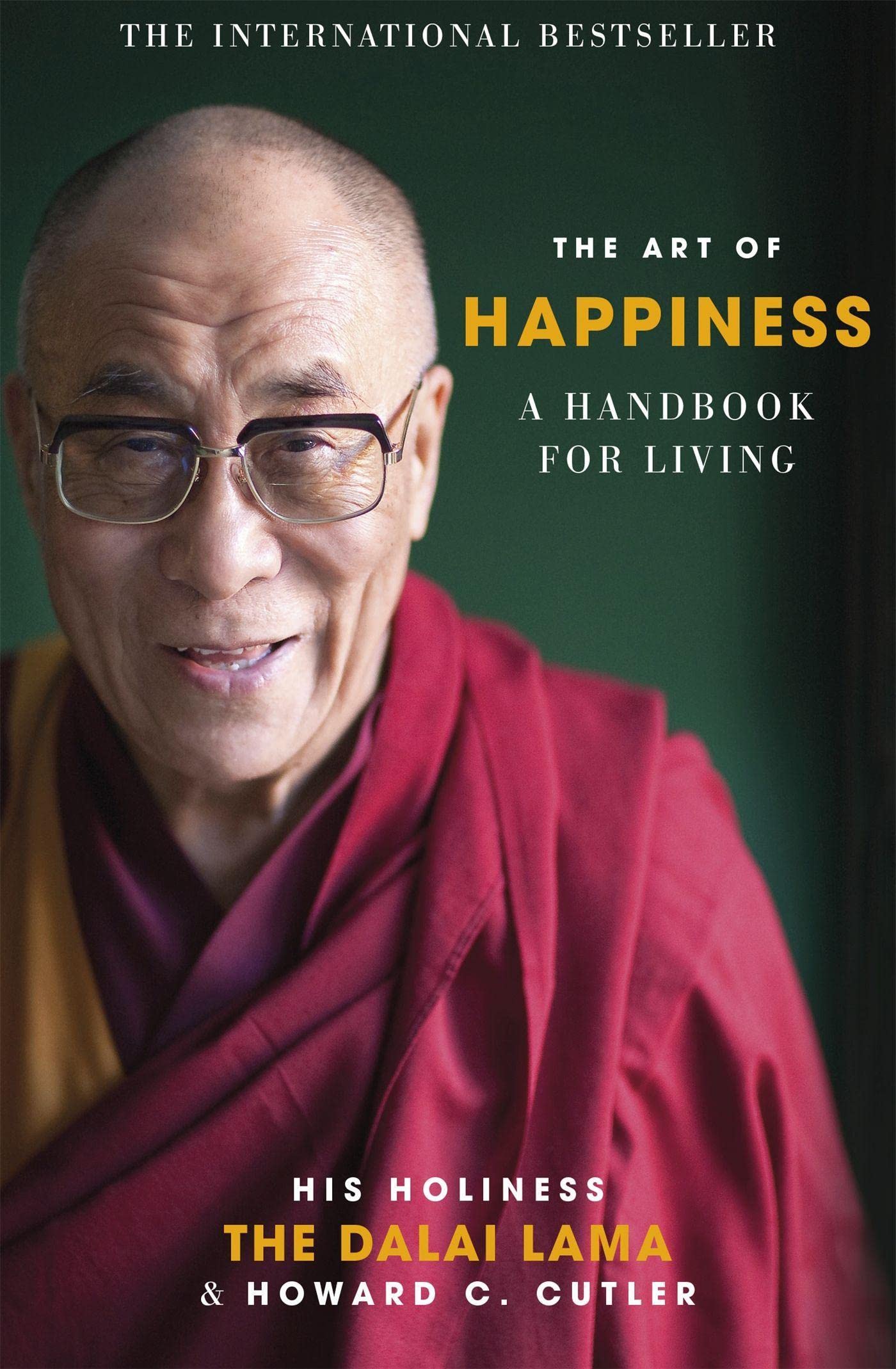
Hodder & Stoughton The Art of Happiness: A Handbook for Living by The Dalai Lama & Howard C. Cutler - Paperback Self-Help Classic on Buddhism & WellbeingA handbook for living, 'The Art of Happiness' pairs the spiritual insight of the Dalai Lama with the clinical expertise of Dr Howard C. Cutler. This practical guide explores how lasting contentment can be cultivated in everyday life, blending Tibetan Buddhist philosophy with Western psychology. The book is based on conversations between the Dalai Lama and Dr Cutler, recorded over several years, and offers a unique perspective on anxiety, loneliness, anger, loss, and the pursuit of wealth. Written with warmth, humour, and practicality, this influential work remains a valuable resource for those seeking calm and inner peace.9,99 £*Shipping: 2,99 £Secure redirect to the provider
-
Two Roads Adventures of a Young Naturalist by Sir David Attenborough - Zoo Quest Expeditions Memoir - Paperback - Nature & WildlifeJoin young David Attenborough on his thrilling adventures as he travels the globe to capture rare and elusive animals for London Zoo. This gripping paperback memoir, 'Adventures of a Young Naturalist', gathers his early expeditions into one compelling narrative, tracing the roots of the broadcaster's extraordinary career and his lifelong devotion to the natural world. In 1954, Attenborough embarked on a journey to film his travels for a fledgling BBC series called Zoo Quest. He and his team trekked through remote landscapes in search of giant anteaters in Guyana, Komodo dragons in Indonesia, and armadillos in Paraguay. Along the way, he lived alongside local tribes, navigated unpredictable terrain and weather, and encountered an unforgettable cast of creatures. This paperback edition is a fascinating account of Attenborough's early years as a naturalist, written by one of Britain's most trusted voices on conservation.3,99 £*Shipping: 2,99 £Secure redirect to the provider
-
Fleurance Nature Cologne Water Spray 100 mlHealth and Beauty Colonies Fleurance Nature Cologne Water Spray 100 ml A natural and certified COSMOS ORGANIC mixed cologne. Fragrance around the Hesperides. Instructions for use: External use.\ After showering, spray on the neck and décolleté, on skin that is still damp, and let it air dry.18,76 £*Shipping: 3,99 £Secure redirect to the provider
-
Is there holy water in Buddhism?
In Buddhism, there is no concept of holy water in the same way it exists in some other religions. However, water is often used in Buddhist rituals and ceremonies as a symbol of purity, cleansing, and the impermanence of life. Water is also used for symbolic purification during certain Buddhist practices, such as the pouring of water during ceremonies to honor ancestors or to make offerings to the Buddha. **
-
What is the understanding of nature in Zen Buddhism?
In Zen Buddhism, nature is seen as a reflection of the interconnectedness and impermanence of all things. Nature is considered a source of wisdom and inspiration, with its ever-changing and cyclical patterns mirroring the teachings of impermanence and the importance of living in the present moment. Practitioners of Zen often seek to connect with nature through practices such as meditation in natural settings, to deepen their understanding of themselves and the world around them. Ultimately, nature is viewed as a teacher and a reminder of the inherent interconnectedness of all beings. **
-
What are the differences between Buddhism and Tibetan Buddhism?
Buddhism is a broader religion that encompasses various traditions and schools, while Tibetan Buddhism is a specific branch of Buddhism that developed in Tibet. Tibetan Buddhism incorporates elements of Tibetan culture, such as rituals, deities, and practices like chanting and visualization. It also places a strong emphasis on the teachings of Tibetan Buddhist masters and the importance of the Dalai Lama. Additionally, Tibetan Buddhism includes unique practices such as the use of prayer flags, prayer wheels, and mandalas. **
-
What is the difference between Buddhism and Zen Buddhism?
Buddhism is a broader religion and philosophy that encompasses a variety of traditions and practices, while Zen Buddhism is a specific school or branch of Mahayana Buddhism that emphasizes meditation and direct experience of enlightenment. Zen Buddhism places a strong emphasis on the practice of meditation (zazen) as a means to achieve enlightenment, while traditional Buddhism incorporates a wider range of practices such as chanting, rituals, and study of Buddhist scriptures. Additionally, Zen Buddhism often focuses on the teachings of specific Zen masters and the importance of the teacher-student relationship in transmitting wisdom and insight. **
Similar search terms for Buddhism
-
Douce Nature Intimate Rose Water Gel 250 mlHealth and Beauty Intimate hygiene Douce Nature Intimate Rose Water Gel 250 ml Intimate Hygiene Gel enriched with Moroccan rose water Suitable for all skin types. Balances the skin of the intimate area and reduces discomfort How to use: Shake well before use, apply gently to the skin and rinse with plenty of water. In case of contact with eyes, rinse thoroughly and keep out of the reach of children. don't swallow it5,59 £*Shipping: 3,99 £Secure redirect to the provider
-
Fleurance Nature Organic Cornflower Floral Water 200 mlHealth and Beauty Facial Cleansing Fleurance Nature Organic Cornflower Floral Water 200 ml Decongests and soothes: -Cools and brightens the look -Diffuses traces of fatigue -Can be used in compresses on closed eyes Light and soft mist Suitable for removing make-up from sensitive eyes Product tested under dermatological control The cornflowers used to obtain this floral water have been carefully selected and harvested in organic farming in France. 83% of users find it refreshing to the skin. 75% of users find that it calms the skin and decongests the eyes.7,05 £*Shipping: 3,99 £Secure redirect to the provider
-
Fleurance Nature Micellar Cleansing Water Bio with CornflowerHealth and Beauty Facial Cleansing Fleurance Nature Micellar Cleansing Water Bio with Cornflower For a better respect for the skin, even the most sensitive ones! For a calm, fresh and clean skin: -Removes make-up and gently cleanses the face and eyes -With cornflower floral water and aloe vera -Indicated for all skin types, even the most sensitive Non-astringent, non-sticky, does not sting the eyes Formula without soap Tested under ophthalmological control Daily use, without rinsing Cornflower: Annual plant of the Asteraceae family. Its floral water is known to decongest and calm the sensation of swelling of the eyelids and the fragile contour of the eyes. Aloe vera: Vivid fat plant of the Alliaceae family. Provides comfort and softness to the skin while preventing the sensation of tightness often associated with removing makeup. Micellar water is a combination of water and an amphiphilic substance (from a coconut extract in our micellar water) capable of dissolving fat and, therefore, effectively removing fatty substances, powders and impurities from the skin. This amphiphilic substance dissolves in water in the form of extremely fine particles: it is these microparticles that, when combined with the perfume contained in the product, take the form of so-called "micelles". Slightly foamy, a micellar water therefore has the particularity of combining the freshness of an aqueous solution with the effectiveness of a make-up removal oil. All this in a single, simple and effective makeup removal and care guideline that does not require rinsing the face with plenty of water thanks to its very mild cleansing effect.11,86 £*Shipping: 3,99 £Secure redirect to the provider
-
Fleurance Nature Rose & Jasmine Perfume Water 50 mlHealth and Beauty Perfumes Fleurance Nature Rose & Jasmine Perfume Water 50 ml Natural perfume water: -certified Ecological cosmetic product -Colorless, sweet and floral fragrance -To the scents of rose and jasmine, Fleurance Nature has been inspired by the riches that nature offers us to let its third floral creation Eau des Délices Rose & Jasmine that combines femininity and authenticity. This unique fragrance, as an ode to romanticism, perfectly combines the freshness of a rose just picked at dawn sublimated with a touch of immaculate jasmine. This fragrance is a true creation around the queen of flowers, the rose. A marvel of subtlety with powdery rose petal tones that blend naturally with sweet raspberry notes, softened by a hint of vanilla. The delicacy of the rose is accompanied by a floral swirl that mixes jasmine and violet.18,16 £*Shipping: 3,99 £Secure redirect to the provider
-
Is there holy water in Buddhism as well?
In Buddhism, holy water is not a common practice like in some other religions. However, there are rituals and practices that involve the use of water for purification and blessings. Water is often used in ceremonies to symbolize cleansing and renewal, but it is not considered inherently holy in the same way as in some other religious traditions. Overall, the emphasis in Buddhism is more on inner purification and spiritual development rather than external rituals involving holy water. **
-
Is Buddhism illogical?
Buddhism is not inherently illogical. It is a complex and diverse belief system that encompasses a wide range of philosophical and ethical teachings. While some aspects of Buddhist doctrine may seem counterintuitive or difficult to understand from a Western perspective, they are based on a different cultural and philosophical framework. Many Buddhist teachings emphasize the importance of critical thinking and personal experience, and encourage followers to question and explore their beliefs. Ultimately, whether Buddhism is considered logical or not may depend on one's own perspective and understanding of its teachings. **
-
What is the difference between Zen Buddhism and regular Buddhism?
The main difference between Zen Buddhism and regular Buddhism lies in their approach to meditation and enlightenment. Zen Buddhism, which originated in China and later developed in Japan, emphasizes the practice of meditation (zazen) as the primary means to attain enlightenment. It focuses on direct experience and intuitive understanding, often through the guidance of a teacher. Regular Buddhism, on the other hand, encompasses a variety of traditions and practices, with meditation being just one of them. It places more emphasis on the study of scriptures, ethical conduct, and the development of wisdom and compassion. While both Zen Buddhism and regular Buddhism share the same core teachings of the Four Noble Truths and the Eightfold Path, their methods and emphasis on practice differ. **
-
What does Buddhism teach?
Buddhism teaches the Four Noble Truths, which are the truths of suffering, the cause of suffering, the end of suffering, and the path to the end of suffering. It also emphasizes the importance of mindfulness, compassion, and non-attachment. Buddhism teaches that all beings are interconnected and that the ultimate goal is to achieve enlightenment and liberation from the cycle of birth and death (samsara). **
* All prices are inclusive of VAT and, if applicable, plus shipping costs. The offer information is based on the details provided by the respective shop and is updated through automated processes. Real-time updates do not occur, so deviations can occur in individual cases. ** Note: Parts of this content were created by AI.